
Key Benefits of Sports Massage
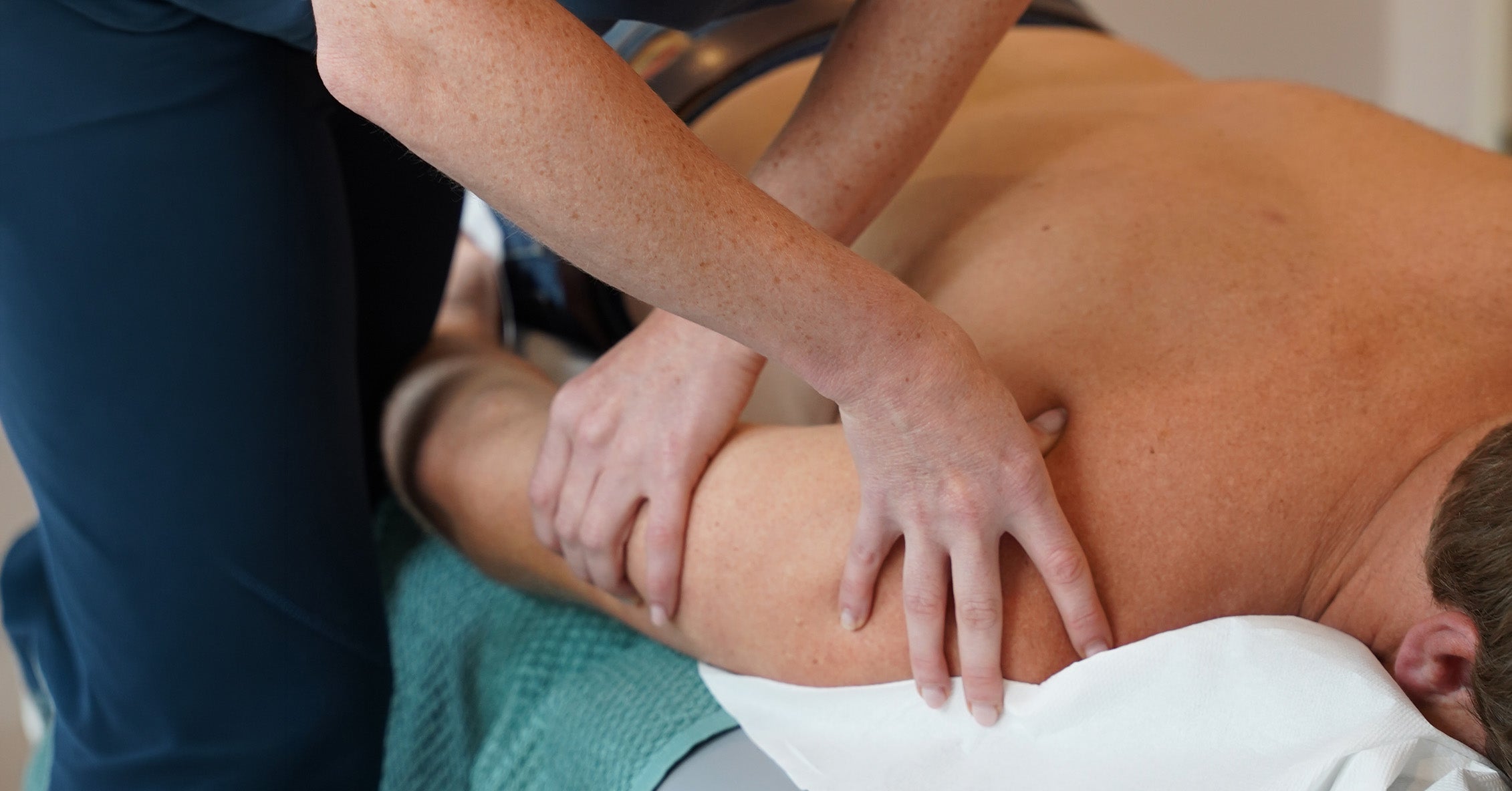
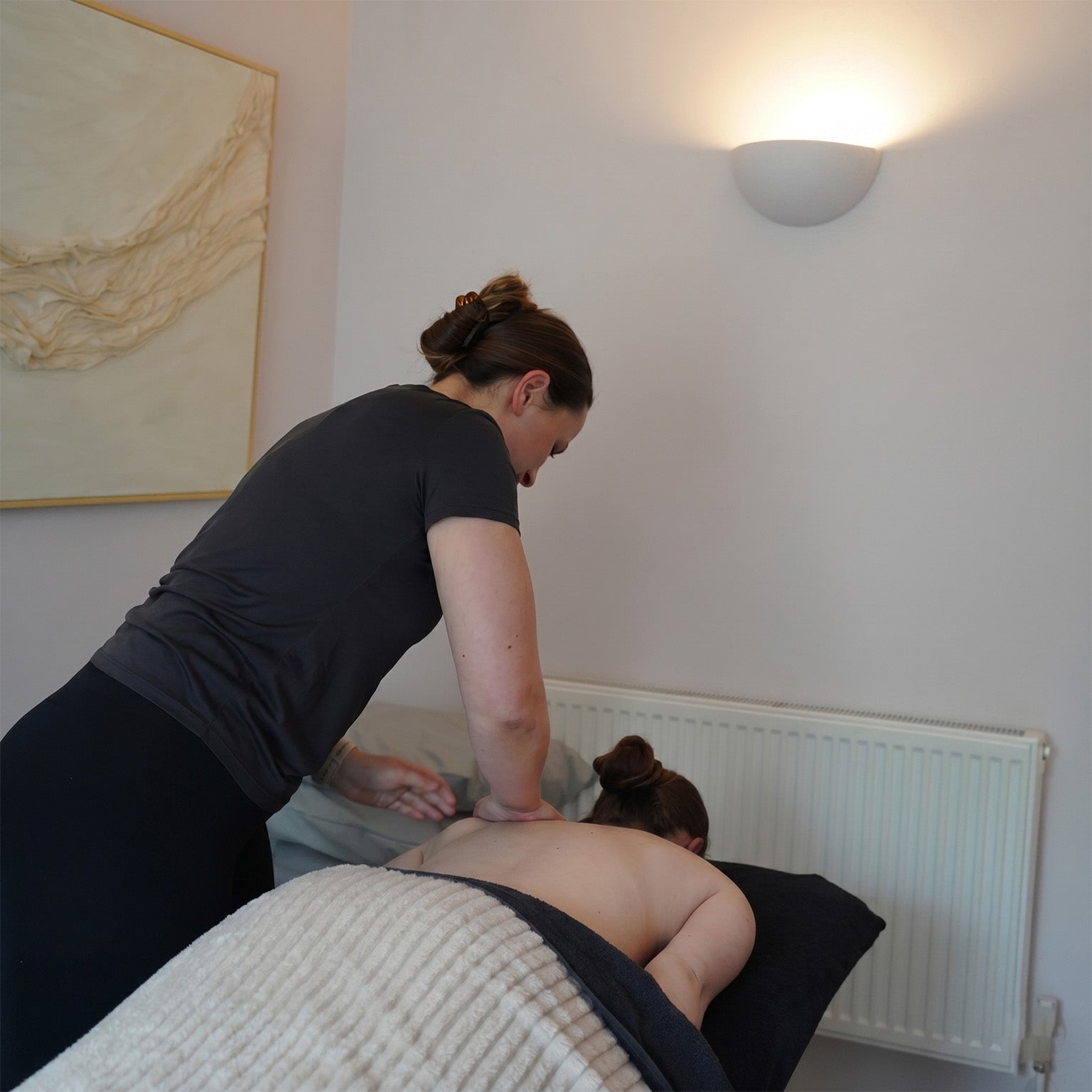
Sports massage offers a wide range of benefits that support both physical performance and overall wellbeing. One of the key advantages is its ability to improve movement and flexibility; by working through both the superficial and deep layers of muscle, it helps to significantly reduce tightness and restore ease of movement. Sports massage also helps to restore energy and reduce fatigue, as the increased blood circulation encourages oxygen flow to the muscles while flushing out toxins that contribute to tiredness and soreness. Additionally, it can reduce swelling from previous injuries our experienced practitioners use targeted techniques to lower inflammation, promote healing, and support the body’s natural recovery processes. Together, these benefits make sports massage an effective tool for maintaining mobility, preventing injury, and enhancing overall physical health.

Sports massage
Sports massage is a type of deep tissue massage that focuses on soft tissue including muscles, tendons, and ligaments to achieve optimal physical, physiological, and psychological benefits. Despite its name, it is beneficial to everyone, not only athletes. It will enhance your physical performance whether you are physically active or with a desire to improve your health and well-being. Sporting, occupational, and recreational activities can place unnatural stresses on our body resulting in injuries and poor posture. Sports massage promotes recovery by increasing blood flow and aims to relax tight muscles, break down scar tissue, and adhesions. While removing metabolic waste products from the problematic areas, overall speeding up your recovery.
Benefits:
- Improves blood circulation, delivering fresh oxygen and nutrients
- Aids the elimination of lactic acid and waste products
- Decreases muscle fatigue and soreness
- Release of endorphins and reduction of pain
- Increased joint mobility/range of movement
- Reducing tension in muscles, tendons, fascia, and ligaments
- Increase in the elasticity of scar tissue
- Reduces oedema/swelling
- Improves posture
- Relieves muscle spasms/cramps
- Stimulates or calms the nervous system
- Helps to tone and condition muscles
Different types of sports massage
Maintenance
Regular sports massage helps to keep the body healthy leading to the prevention of musculoskeletal injuries and problems by detecting muscle fatigue, postural imbalances, inflexibility and strains and sprains.
Pre-event
Sports massage can help the individual prepare for their specific competition or event by focusing on specific muscles and joints enabling increased performance levels through reducing pre-event anxiety and stress.
Post-event
Sports massage helps the body to recover more quickly from sports and exercise by easing fatigued muscles. Blood circulation and lymphatic drainage are maximised to increase the removal of lactic acid and waste products that build up naturally during extensive exercise.
Injury assessment
In any injury, determining the root of the problem is fundamental. Injuries can be recognised as effectively and efficiently as possible using evidence-based local and global evaluations within our clinic rooms and in our very own rehabilitation zone within our premises. Here at SUST, we are committed to providing individualized, research-based assessments that are built on trust and medical integrity. Our team do not just specialise in sporting injuries, but also have the expertise to treat all acute and chronic aspects of neuromusculoskeletal disorders which may be encountered in daily working and recreational life. The team work very closely with other healthcare practitioners and when applicable, a combination of such disciplines may provide the most adequate treatment plan for many injuries, particularly biomechanical deficit.
Injury prevention
Physical activity and participation in sports are recommended by all health care providers as they have several health benefits. Despite this, sport-related musculoskeletal injury remains a substantial problem. Primary injury prevention must be integrated and made a public health priority since it will significantly reduce the long-term implications of musculoskeletal injuries.
Many injuries are caused by weak muscles that are not ready to handle the specific demands of your sport. Screening for muscle strength, length and balance imbalances are fundamental to the development of almost all musculoskeletal pain and dysfunction. Not all injuries associated in one location may be due to a problem elsewhere in the fascia chain and muscle stiffness. If you have been injured before, you are much more likely to get injured than injury free athletes regular exercises have a way of uncovering the weak areas of the body.
Here at SUST screening assessments can be tailored to the individual and sporting background.
Injury rehabilitation
The rehabilitation process starts following an injury assessment enabling us to gather background information on you and your injury followed by movement assessments which help us understand the issues each individual is suffering from. This then enables us to design an effective, specific rehabilitation plan. We use the movement analysis to reduce injury risk and enhance performance after recovery from injury. We use a range of treatments and assessments alongside the latest research to meet our client’s needs with the aim to get you back healthy in the most effective way minimising the risk of future re-injury.
Injuries can be treated as promptly and effectively as possible using a variety of techniques including industry leading equipment such as Game Ready®, Compex® and PLAYBALL®.Nothing is more important to us than your health and comfort, which is why we devote so much time and effort to advancing our medical practice and skills. Sports Therapy is very much a ‘hands-on-approach’ treatment and will involve many manual therapy techniques. Such interventions combined with an active gym rehabilitation programme guided by our therapists will help manage and improve your condition. The sessions are designed to relieve pain, reduce muscle tightness, relieve muscle spasms, improve strength, improve balance/proprioception, increase range of motion, and improve both function and performance, depending on the injury.
Clients will receive their own personal 4 stage rehabilitation programme including after care treatment, strengthening exercises, mobility exercises and a return to play plan depending on their lifestyle or goal.